

Diabetic Eye Exams in Fresno: Protecting Your Vision Against Retinopathy Before Symptoms Start
If you have diabetes, clear vision does not always mean your eyes are unaffected. Diabetic retinopathy can begin damaging the small blood vessels in the retina before you notice blurry vision or other symptoms. That is why regular diabetic eye exams are an important part of protecting your long-term sight. At Fig Garden Optometry in Fresno, CA, we provide comprehensive eye care and retinal imaging to help identify eye health changes as early as possible.
What Is Diabetic Retinopathy?
Diabetic retinopathy occurs when diabetes damages blood vessels in the retina, the light-sensitive tissue at the back of the eye. Over time, weakened vessels may leak fluid or blood, while more advanced disease can cause abnormal new blood vessels to develop.
One of the most important facts about diabetic retinopathy is that early stages often cause no symptoms. You may still read clearly, drive comfortably, and feel that your vision is normal while retinal changes are already developing. The National Eye Institute recommends that people with diabetes receive regular comprehensive dilated eye examinations so these changes can be detected before significant vision loss occurs.
Do Not Wait for Blurry Vision
Waiting until something looks wrong can allow diabetic eye disease to progress unnoticed. Later stages of diabetic retinopathy may cause blurry vision, dark floating spots, difficulty reading, or other changes.
Fresno patients with diabetes should pay attention to symptoms such as:
New blurry or fluctuating vision
Dark spots or new floaters
Difficulty seeing fine details
Areas of missing or distorted vision
Sudden changes in eyesight
These symptoms require prompt evaluation, but the goal of routine diabetic eye care is to identify retinal changes before symptoms appear.
What Happens During a Diabetic Eye Exam?
A diabetic eye exam includes more than updating your glasses prescription. Your eye doctor evaluates the health of the retina and other internal structures that can be affected by diabetes.
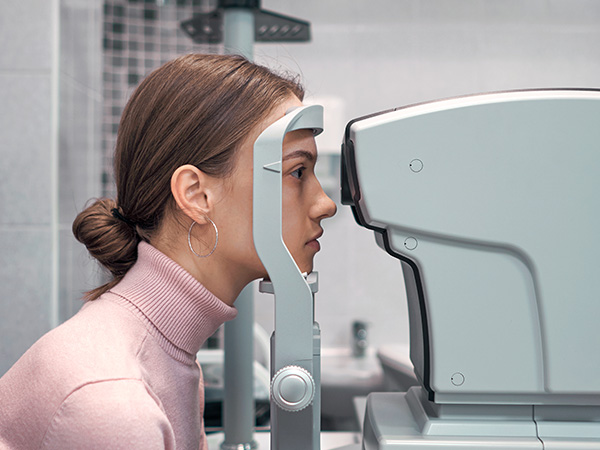
Dilating drops may be used to widen the pupils and allow a more detailed view of the retina. Fig Garden Optometry also offers retinal screening imaging and recommends additional retinal imaging for diabetic patients. Its iWellness technology provides cross-sectional images of the retina, while other imaging can document the retinal surface for comparison over time.
These images can help establish a baseline and make subtle changes easier to monitor from one visit to the next.
Why Blood Sugar, Blood Pressure, and Cholesterol Matter
Protecting your eyesight involves more than eye appointments alone. Managing blood glucose, blood pressure, and cholesterol can help reduce the risk of diabetic eye complications and other health problems.
The National Eye Institute emphasizes controlling diabetes and related health factors as an important part of reducing the risk of vision loss from diabetic retinopathy.
Your optometrist and medical provider play different but complementary roles. Your physician manages your overall diabetes care, while your eye doctor monitors how diabetes is affecting your eyes.
How Often Should You Have a Diabetic Eye Exam?
Most people with diabetes need a comprehensive dilated eye exam at least once a year, although your eye doctor may recommend a different schedule based on your type of diabetes, retinal findings, pregnancy status, and overall health.
If diabetic retinopathy is detected, more frequent monitoring may be necessary. Early detection gives your care team the opportunity to monitor progression and recommend treatment when appropriate.
Fig Garden Optometry provides comprehensive eye exams, retinal screening imaging, and diabetic-related eye care for patients throughout Fresno. If you have diabetes and are due for an eye examination, schedule a visit with Fig Garden Optometry at 5151 N Palm Ave., Suite 150, Fresno, CA 93704, or call 559-229-2020 to stay proactive about protecting your retinal health and vision.

MAP

Contact Info
Hours of Operation
- Monday 8:00am - 5:00pm
- Tuesday 8:00am - 5:00pm
- Wednesday 8:00am - 5:00pm
- Thursday 8:00am - 5:00pm
- Friday 8:00am - 4:00pm
- Saturday Closed
- Sunday Closed
© 2026 Fig Garden Optometry. All rights Reserved. Accessibility Statement - Privacy Policy - Sitemap
Powered by:
