

Central Valley Allergies vs. Dry Eye: How to Tell the Difference This Spring
Central Valley Allergies vs. Dry Eye: How to Tell the Difference This Spring
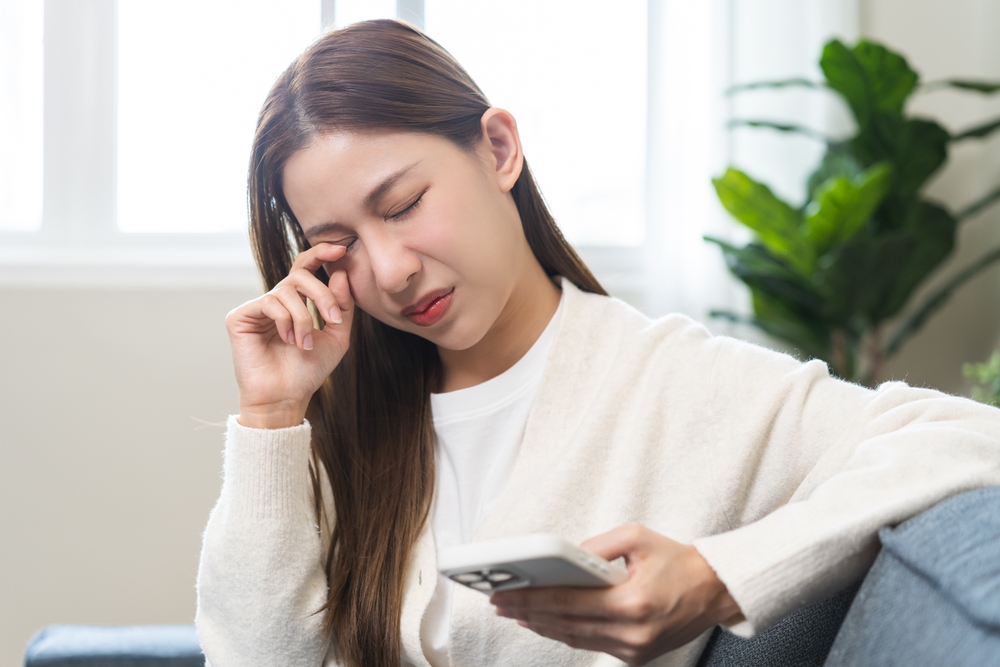
Spring in the Central Valley can bring blooming trees, windy days, and plenty of allergens in the air. For many people, that means itchy, irritated eyes. But not every case of redness or watering is caused by allergies. Dry eye can also flare during spring, especially when pollen, dust, wind, and screen time affect the tear film. Understanding the difference between eye allergies and dry eye can help you know when it is time to schedule an eye exam.
Why Spring Can Be Hard On Your Eyes
Central Valley spring weather can expose your eyes to pollen, dust, and dry air. These irritants can make your eyes feel uncomfortable, even if your vision seems normal. Allergies and dry eye can also overlap, which makes symptoms confusing.
Allergies are caused by your immune system reacting to triggers like pollen or grass. Dry eye happens when your eyes do not produce enough quality tears or when tears evaporate too quickly. Both can cause redness, burning, and watering, but they often need different types of care.
Common Signs of Eye Allergies
Eye allergies often come with itching. If your eyes feel intensely itchy during spring, especially when you are outdoors, allergens may be the cause. Allergy-related eye symptoms may also happen alongside sneezing, congestion, or a runny nose.
You may notice:
• Itchy, red, or watery eyes
• Puffy eyelids
• Stringy or clear discharge
• Symptoms that worsen outdoors
• Relief when avoiding pollen or using allergy medication
Although allergy eye drops may help some patients, it is important to avoid overusing drops without guidance. Some products are not meant for long-term use and may not address the full cause of your symptoms.
Common Signs of Dry Eye
Dry eye is often linked to burning, stinging, grittiness, or the feeling that something is stuck in your eye. You may also notice fluctuating vision, especially after reading, driving, or using digital screens.
In spring, dry eye symptoms can worsen because wind and allergens can disrupt the tear film. Your eyes may water more, but that does not always mean they are well-lubricated. Excess tearing can be a response to irritation caused by dryness.
Getting to the Root of Eye Irritation
Because allergies and dry eye can feel similar, guessing can lead to the wrong treatment. For example, allergy drops may not fully relieve dry eye, and artificial tears may not be enough if inflammation or tear film instability is involved.
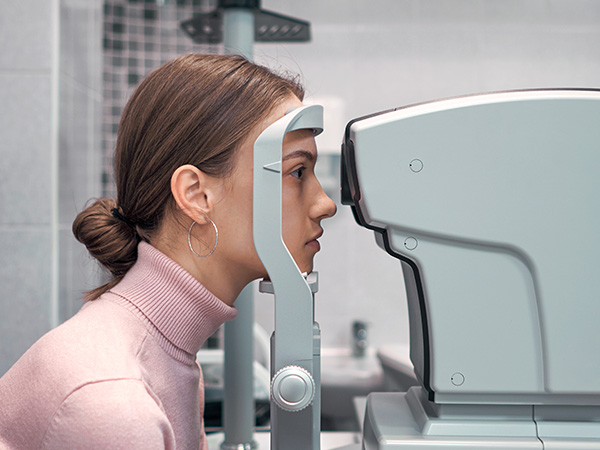
A comprehensive eye exam allows our optometrists to evaluate your symptoms, tear film, eye surface, and overall eye health. At Fig Garden Optometry, advanced diagnostic technology helps support a more complete understanding of what may be causing your discomfort.
When to Schedule an Eye Exam
If your symptoms keep returning every spring, last more than a few days, affect your vision, or do not improve with basic care, it may be time for an eye exam. You should also schedule a visit if you have eye pain, light sensitivity, thick discharge, or sudden vision changes. Spring eye irritation is common, but it should not interfere with your comfort, daily routine, or ability to see clearly.
Schedule an eye exam at Fig Garden Optometry to determine whether your spring eye irritation is caused by allergies, dry eye, or another underlying concern. Contact our office in Fresno, CA, by calling (559) 229-7202 to book an appointment today.

MAP

Contact Info
Hours of Operation
- Monday 8:00am - 5:00pm
- Tuesday 8:00am - 5:00pm
- Wednesday 8:00am - 5:00pm
- Thursday 8:00am - 5:00pm
- Friday 8:00am - 4:00pm
- Saturday Closed
- Sunday Closed
© 2026 Fig Garden Optometry. All rights Reserved. Accessibility Statement - Privacy Policy - Sitemap
Powered by:
